

Early fall is an ideal time to get your heating system ready for winter. It’s essential to make sure your equipment is prepared before colder weather arrives and heating demand increases. This is especially important if your home has a heat pump or dual-fuel heating system, which needs specific maintenance because of its heating and cooling capabilities.
Scheduling Fall heat pump maintenance in your Bryan home before cold weather arrives can help support comfort, efficiency and reliable performance. It also gives your HVAC technician a chance to find small problems before they become larger repairs.
The Importance of Fall Maintenance for Heat Pumps
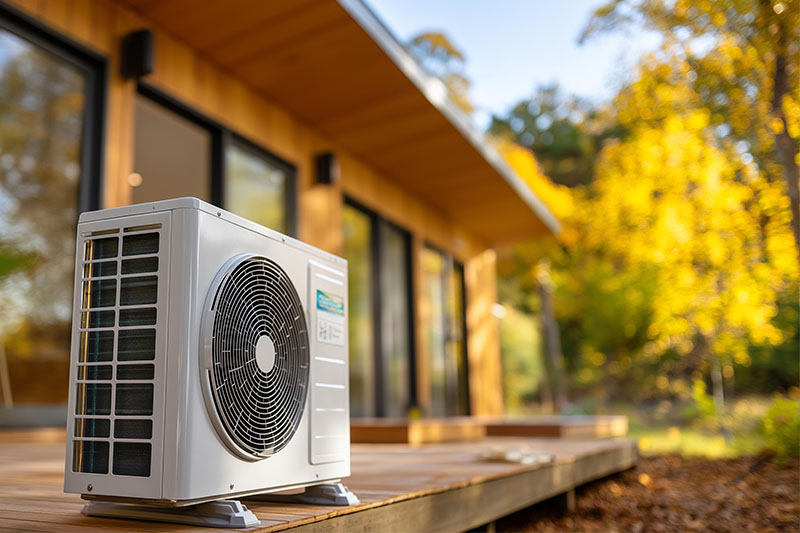
Heat pumps need regular maintenance because they provide heating and cooling year-round. Unlike traditional furnaces, they can provide both heating and cooling, so they run all year. This can cause more wear and tear than other systems.
A heat pump tune-up helps ensure the system is clean, working properly and prepared for winter. Fall HVAC maintenance visits also help increase energy efficiency, comfort and your heat pump’s lifespan. Identifying and fixing worn or failing components during these visits also helps minimize the risk of a system breakdown.
How Dual-Fuel Systems Prepare for Winter
A dual-fuel heating system, also called a hybrid heating system, combines a heat pump with a gas furnace. The heat pump typically provides efficient heating during less severe weather. When outdoor temperatures drop below a set point, the system automatically switches to the furnace.
The use of two heating sources is key to why dual-fuel HVAC maintenance is important. Proper calibration helps the system choose the appropriate heating source and switch between them.
Key settings for heat pumps and dual-fuel heating systems should be checked before winter:
- Thermostat settings: Helps the system respond appropriately as conditions change.
- Automatic changeover: Confirms the system switches between heating sources properly.
- Balance point settings: Confirms the temperature at which your furnace should take over from the heat pump.
- Furnace readiness: Confirms your furnace is a dependable backup heating source.
- System communication: Confirms the thermostat, heat pump and furnace work together correctly to provide seamless operation.
What Happens During a Professional Heat Pump Tune-Up?
During Superior Air Repair’s professional heat pump inspection and tune-up, our technicians examine and test your system. We check that key components are in good working order, lubricate moving parts when needed and look for signs of wear and tear. We also look for developing problems, so you can have them fixed before they become costly repairs.
What does heat pump maintenance include? Here’s what we check, and why:
- Refrigerant levels: Proper refrigerant charge supports efficient heating and cooling.
- Electrical connections: Secure connections are needed for safe, reliable operation.
- Capacitors and contactors: These components help the system start and run properly.
- Defrost controls: These controls prevent excessive ice buildup during cold weather.
- Compressor operation: The compressor is essential to heat pump performance and efficiency.
- Outdoor fan motor: Proper operation supports airflow and heat transfer.
- Indoor blower: The blower is needed to move heated or cooled air effectively throughout your home.
- Condensate drainage: The condensate drain needs to be clear so it can prevent moisture-related problems.
- Airflow: Proper airflow supports comfort and heat pump efficiency.
- Thermostat calibration: Accurate thermostat settings help the system respond appropriately.
- Safety controls: Testing helps verify safe operation.
- Heat strips: If equipped, backup electric heat is checked for proper operation.
- Furnace components: Dual-fuel systems also require a furnace inspection to ensure the backup heat source is able to kick on when temperatures drop.
Schedule Service
Your Fall Heat Pump Maintenance Checklist
Scheduled HVAC maintenance is best performed by a qualified technician. Still, you can perform simple tasks between these appointments to keep your system at its best.
- Replace dirty air filters
- Remove and clear space around the outside unit
- Ensure return and supply vents are unblocked
- Check thermostat controls are set right
- Keep an ear out for unexpected noises
- Watch your system’s performance, calling a technician if you notice something amiss
What Happens During Professional Heat Pump Maintenance Appointments?
During Superior Air Repair’s professional heat pump inspections and tune-ups, our technicians thoroughly look over and test your whole system. We check that key components are working correctly, lubricate components as necessary and look for signs of wear and tear.
So, what exactly does heat pump maintenance include? Here’s what we check and the reason for each check:
- Refrigerant levels: Proper refrigerant charge is crucial for heating and cooling
- Wiring and electrical components: Secure electrical connections are essential for safe and dependable performance.
- Capacitors and contactors: These components are needed for startup and operation.
- Defrosting: These controls protect against ice formation on your equipment.
- Compressor: The compressor is a key part of heat pump efficiency and performance.
- Outdoor fan: Your system’s outdoor fan is necessary for airflow and heat transfer.
Indoor fan: The blower is needed to move heated or cooled air throughout your home. - Condensate drainage: The condensate drain needs to be unclogged so moisture properly drains from your system.
- Air circulation: Proper airflow promotes your comfort and system efficiency.
- Thermostat settings: Accurate thermostat settings help the system respond appropriately.
- Protective controls: Testing helps ensure the system operates safely.
- Electric heat strips: If equipped, backup electric heat is tested to ensure correct operation.
- Backup furnace components: Dual-fuel systems also require a furnace inspection to verify the backup heat can activate when temperatures drop.
Warning Signs Your Heat Pump Should Be Serviced Before Winter
There are many warning signs your heat pump needs maintenance. If you see these signs, it’s essential to get them addressed promptly—before the weather gets chilly:
- Reduced heating performance: May indicate an equipment or airflow problem.
- Short cycling: Frequent starts and stops can increase wear.
- Rising utility costs: A jump in energy use often points to lower system efficiency.
- Ice formation: Excessive ice can point to a defrost, airflow or refrigerant malfunction.
- Strange noises or burning smells: New sounds or smells can be signs of serious problems.
- Inconsistent room temperatures: Cold rooms are often signaling problems with circulation or equipment.
- Heavy auxiliary heat use: Heavy furnace use use may indicate an issue.
- Failed changeover: Difficulty switching between heating sources is a warning sign and is a good reason to call for a tune-up.
Frequently Asked Questions About Dual-Fuel Maintenance
Schedule Fall Heat Pump Maintenance in Bryan, Texas
Bryan, Texas, cold winters are hard on your HVAC. Make sure your heat pump or dual-fuel heating system is ready for freezing temps with professional maintenance. Tune-ups not only support comfort and efficient operation, but they also are a great way to strengthen system reliability and reduce the risk of breakdowns.
Superior Air Repair’s experienced team provides skilled service and straightforward advice for heat pumps and hybrid heating systems.
We also offer HVAC maintenance plans to make preventative care easier to manage.
If you're thinking about using your phone to look for “heat pump maintenance near me”, just make things easier. Reach out to Superior Air Repair. We’re the community’s trusted source for dependable service. Why do so many community members call us? See for yourself about Superior Air Repair’s HVAC services in Bryan, Texas.
It’s time to get your dual-fuel heat pump system ready for the cold with preventive winter HVAC preparation. Schedule heat pump maintenance now.